Factors affecting the support for physical activity in children and adolescents with type 1 diabetes mellitus: a national survey of health care professionals’ perceptions
Healthcare professionals play an important role in helping children and adolescents with type 1 diabetes to be physically active, but many face practical challenges in providing this support. This study explored how healthcare professionals in paediatric diabetes services view their role, what gets in the way, and what might help them better support physical activity.
Why this study was done
Physical activity is an important part of type 1 diabetes management, yet many children and adolescents do not meet recommended activity levels. Healthcare professionals are well placed to encourage and support physical activity, but little was known about the factors that affect their ability to do this in routine practice.
How the study was carried out
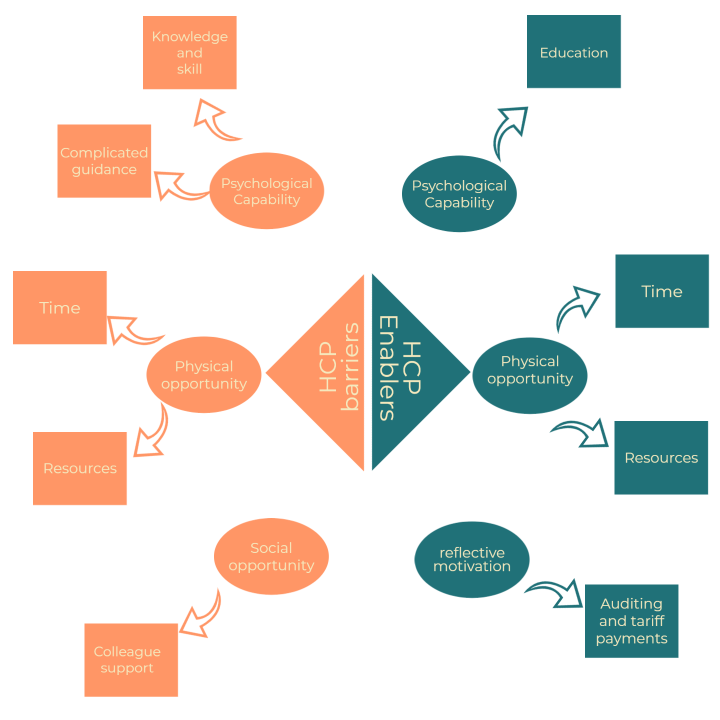
We carried out an online mixed-methods survey with healthcare professionals working in paediatric diabetes units in England and Wales. The survey included both closed and open questions, and free-text responses were analysed using the COM-B model to understand barriers and enablers to supporting physical activity.
What we found
Responses were received from 114 healthcare professionals across 77 paediatric diabetes units, representing 45% of units in England and Wales. Most respondents felt that promoting physical activity was important and saw it as part of their clinical role, and 88% said they encouraged patients to increase their physical activity levels.
At the same time, important barriers were identified. Nearly one in five respondents felt they did not have sufficient knowledge to provide support, and many described limited training, lack of time, insufficient resources, and guidance that felt too complicated to use in practice. Participants highlighted the need for clearer education, simpler and more practical advice, child-focused resources, and stronger support within clinical teams.
Why it matters
These findings show that improving physical activity support for young people with type 1 diabetes is not only about motivating patients. It also requires better support for the professionals who advise them, including training, practical tools, and guidance that can be used in real clinical settings.
For the wider ISPA-T1D programme, this study helped identify early priorities for intervention development, including healthcare professional education, simplified guidance, and accessible resources to support conversations about physical activity in clinic appointments.